
Lymphedema

Conditions

What is Lymphedema?

Lymphedema is swelling in various areas of your body that happens when something affects your lymphatic system. Your lymphatic system collects excess fluid, proteins and toxins from your cells and tissues and returns them to your bloodstream.

When your lymphatic system doesn’t work well, your body accumulates fluid and may begin to swell. The swelling typically affects your arms and legs, but it can affect other areas of your body, too. Lymphedema also increases your risk of developing an infection where you have the condition.

This can happen after certain surgeries or because you have certain medical conditions or genetic conditions. You may develop lymphedema spontaneously, meaning it happens for no known reason.
Physical Affects

If you have lymphedema, your arms, legs, feet and other areas of your body may look and feel swollen. Lymphedema can be painful and may affect your ability to manage daily activities. Many people with lymphedema feel self-conscious about the ways it changes their appearance.

Is It Serious?

It can be. If you have lymphedema, you may be at risk of developing infections that start in your skin. These infections may be life-threatening. Rarely, lymphedema may also lead to lymphangiosarcoma, a very rare skin cancer.

Types of Lymphedema

There are two types of lymphedema — primary and secondary.

Primary lymphedema comes from rare, inherited conditions that affect how your lymphatic system develops. Primary lymphedema is usually diagnosed at infancy, puberty or very rarely after the age of 35.

Secondary lymphedema may happen if your lymphatic system is damaged from surgery, trauma or radiation therapy. It is most common in people who’ve had breast cancer treatment. That said, not everyone who has breast cancer treatment develops lymphedema.

.

Lymphedema

Causes & Symptoms

Beside inherited conditions, several things may cause Lymphedema.

The most common symptom is swelling. Swelling may develop slowly, and you may not notice unusual swelling in lymphedema’s early stages. Swelling from lymphedema may also come on suddenly. Other lymphedema symptoms you may notice include those listed below.

Possible Causes

Several things may cause lymphedema, including:

Breast cancer surgery

Pelvic surgery

Radiation therapy

Trauma

Infection

obesity

Lack of activity

Tumors

Heart conditions

Blood vessel issues

Kidney disease

Possible Symptoms

You can’t see or feel the veins or tendons in your hands and feet.

Your arms or legs appear to be slightly different sizes.

It feels as if your joints are unusually tight or inflexible.

Your skin seems puffy or red.

Swelling in your arms or legs or other areas of your body.

Your arms, legs or other parts of your body feel uncomfortably heavy or full.

Your clothes or jewellery fit more tightly than usual.

You have a feeling of burning or itching.

Your skin becomes noticeably thicker.

Lymphedema

Treatements

There’s no cure for lymphedema, which means you can’t get rid of it. There are many different ways to treat lymphedema so it doesn’t affect your quality of life.

Lymphedema treatments vary depending on your condition’s cause and stage. Treatments may include physical therapy or other treatment to keep lymphatic fluid moving and reduce swelling and pain.

Lymphedema treatment typically includes a combination of physical therapy and garments or bandaging that moves fluid from areas affected by lymphedema. If you have physical therapy for lymphedema, it’s very important to use garments or bandaging after therapy to maintain the treatment’s effect. Physical treatments for lymphedema may include:

Compression Garments

Compression garments may be socks, sleeves or wraps that have pressure to move fluid from your tissues into circulation. This reduces swelling and your risk of lymphedema complications.

Physical Therapy

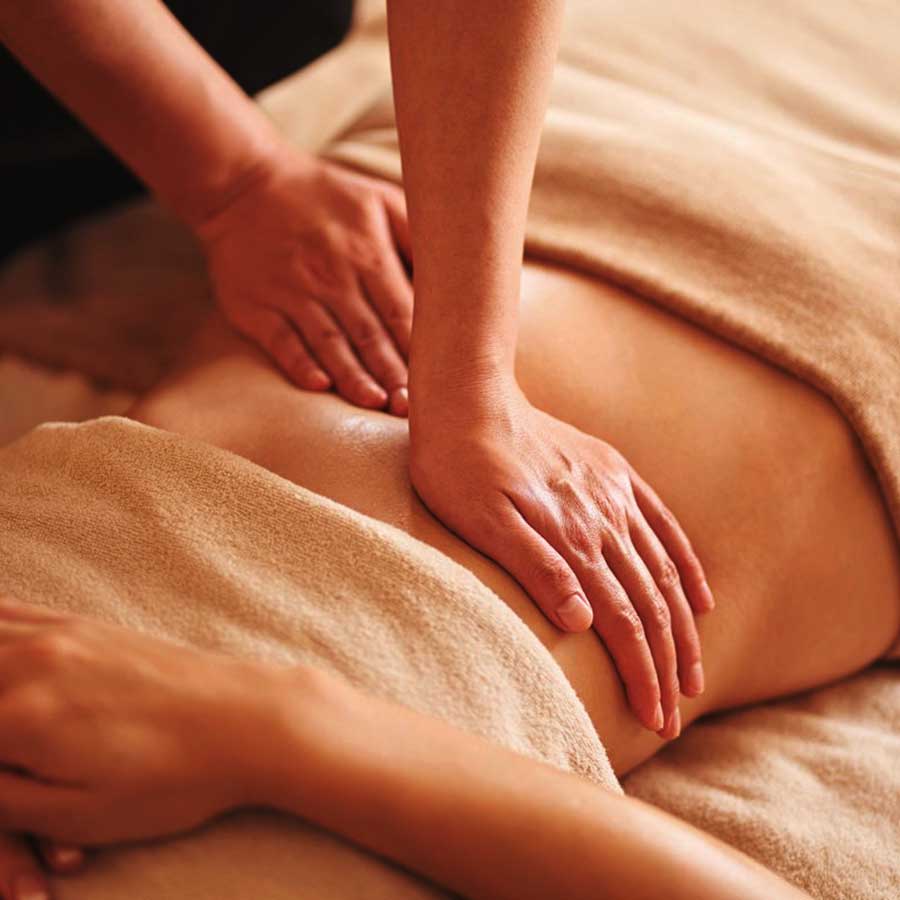
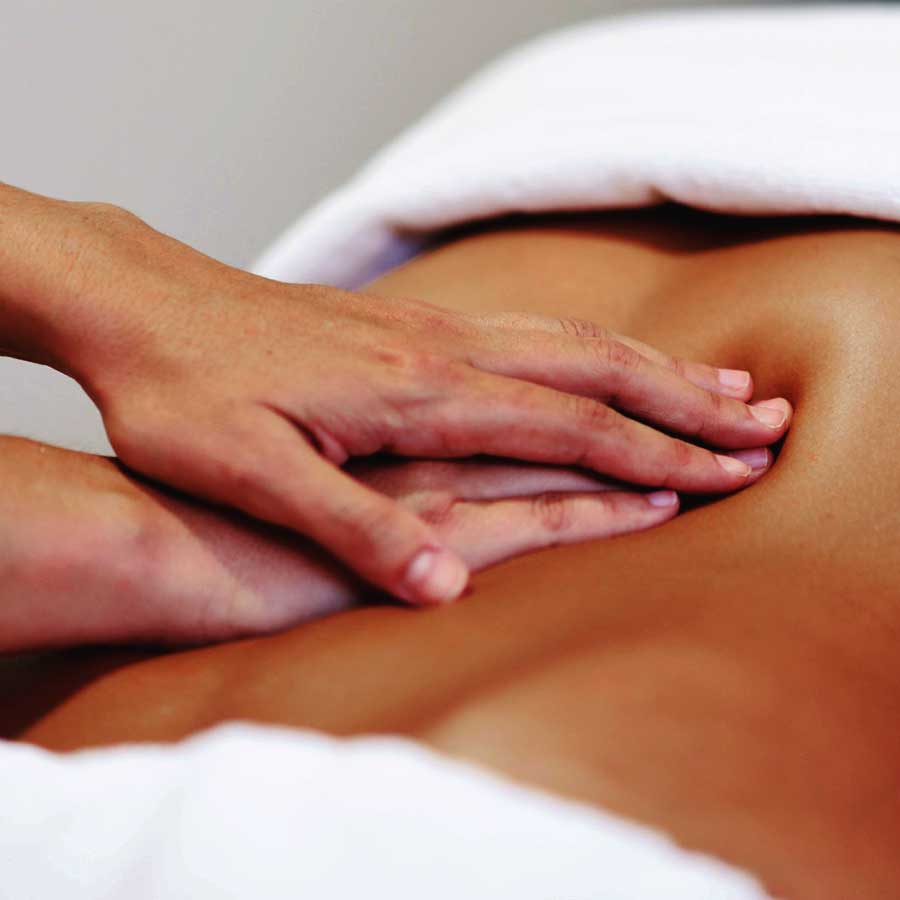
Physical therapists who specialise in lymphedema do a gentle form of massage to stimulate circulation. This is Manual Lymphatic Drainage (MLD) and Post Surgery Lymphatic Drainage.

Elevation

Gravity plays a role in lymphedema symptoms. You should try to keep the affected area of your body elevated as much as possible.

Multilayer compression bandaging

After manual lymphatic drainage treatment, your physical therapist may place multilayer compression bandages on the swollen areas of your body. (If you’ve ever sprained an ankle, you may have put a short stretch bandage on your ankle to keep it from swelling. Multilayer compression bandaging acts the same way on your lymphedema.) Physical therapists layer bandages to put different levels of pressure on the swollen areas of your body. The bandages put pressure on your tissues, moving fluid back into circulation.

Compression Devices

These pneumatic compression pumps provide on-and-off pressure to keep fluid moving through your lymph vessels and veins so it doesn’t build up in your arms, legs and other parts of your body. The devices work by connecting the pump to a sleeve that wraps around your affected areas. The pump drives a regular cycle of pressure that inflates and deflates the sleeve. Compression pumps may also reduce complications of lymphedema.

Exercise

Physical exercise is important to stimulate lymphatic drainage.

Don’t Worry

We Can Help!

If you wish to find out more information, or are ready to book a session, please use the link below or contact us using any of the methods on our contact page.

We look forward to seeing you soon!

Let’s book a

treatment session